
What Is Athlete's Foot (Tinea Pedis)?
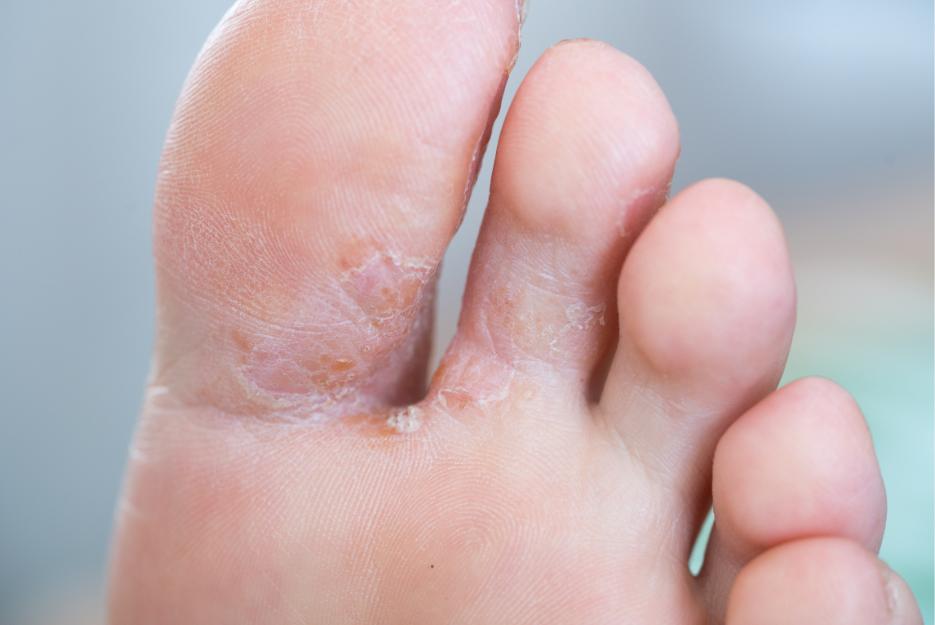
Athlete’s Foot is a fungal infection that affects the skin on the soles of the feet and between the toes. Its medical name, tinea pedis, translates to “ringworm of the foot.” The term “Athlete’s Foot” comes from its frequent occurrence among athletes. This condition impacts the outermost layer of skin and can cause significant itchiness and discomfort. It is estimated to affect 10-20% of the population, with its prevalence increasing with age and being more common in men than women.
What Causes Athlete's Foot?
Athlete’s Foot can be caused by various types of fungi, with the most common being trichophyton. This fungus thrives in warm, damp environments, which are ideal for its rapid growth and spread. As a result, Athlete’s Foot is often contracted in communal showers, changing rooms, or from wearing closed-in shoes. Australia’s typically hot and humid climate also increases susceptibility to this condition.
The infection spreads through direct contact, meaning it is typically contracted by coming into contact with surfaces where fungal spores have been left by someone who is infected.
Want this looked at? Our podiatrists can assess it and give you a clear plan.
Athlete's Foot Symptoms
Signs of an Athlete’s Foot fungal infection may include:
- Red, scaly patches on the skin of the feet
- Cracked or broken skin between the toes, often forming fissures
- Peeling skin on the sole of the foot
- An unpleasant foot odor
- Itching, stinging, or burning sensations
- Changes to the toenails, such as yellow or brown streaks, if the infection spreads to the nails
Tips On Managing Athlete's Foot With Treatment
Before starting treatment, it’s essential to have your podiatrist accurately diagnose the condition, as other skin conditions may resemble Athlete’s Foot. In some cases, both fungal and bacterial infections can occur simultaneously, requiring a tailored treatment approach.
Once a fungal infection is confirmed, it’s crucial to keep your feet clean, dry, and free from sources of reinfection. This may include:
- Thoroughly drying your feet after showering or getting wet, including between the toes.
- Using absorbent powders or antiperspirant sprays to manage excessive sweating.
- Disinfecting shoes, socks, towels, and bath mats to prevent spreading and reduce the risk of reinfection.
- Wearing absorbent socks that promote a dry environment.
- Choosing open or breathable footwear whenever possible to allow the feet to air out.
To address the infection, your podiatrist will recommend the most suitable anti-fungal treatment, which may include creams, sprays, or powders. The choice depends on your specific situation, as certain treatments may be less effective on thickened skin, such as the soles, or in cases of extensive infection.
If the infection has spread to your toenails, causing a fungal nail infection, additional treatment will be required. Treating fungal nails is often more challenging, as the fungus can penetrate the nail bed. Your podiatrist will guide you on the best course of action, which may involve topical or oral medications.
During treatment, extra care is needed as the infection can make the skin fragile and more prone to damage.
Should You Moisturise Athlete's Foot?
During treatment, it’s important to use only antifungal creams as recommended by your podiatrist. Using additional creams may introduce excess moisture to your feet, which could hinder your progress and work against your treatment goals.
What Happens If Athlete's Foot Is Left Untreated?
If left untreated, Athlete’s Foot can spread to others in your household and leave your feet feeling itchy, irritated, and more susceptible to further problems. It’s important to treat the infection promptly as soon as you notice the symptoms.
Will The Infection Come Back?
Fungus spreads easily and can survive on surfaces under the right conditions, making reinfection a common concern. Research suggests that reinfection rates may be as high as 25%. Reinfection doesn’t always come from others—it can occur from wearing your own contaminated shoes or socks.
We’ll provide guidance on how to minimise your risk of reinfection and ensure the fungus stays gone. This includes thoroughly cleaning your showers with anti-fungal agents and hot washing your socks, bath mats, and shoe liners using anti-fungal detergents.
Frequently asked questions
How to prevent Athlete's Foot
Preventing Athlete’s Foot starts with protecting your feet in high-risk areas like public showers and changing rooms. Wearing thongs or protective footwear in these environments is an effective measure. Treating any signs of Athlete’s Foot promptly can also help stop the infection from spreading to others in your household. To prevent reinfection during treatment, disinfect items and surfaces such as shoes, socks, showers, sheets, floors, and bathmats. Additionally, avoid sharing socks or shoes with anyone who has the infection to reduce the risk of spreading the fungus.
Do I need to throw away my shoes if I have Athlete's Foot?
No, you don’t have to throw out your shoes if you’ve had Athlete’s Foot. There are effective steps you can take to disinfect them. From using antifungal sprays and powders to harnessing the disinfecting power of the sun’s UV rays, we’ll guide you on the best methods to keep your shoes clean and your feet safe.
How long can Athlete's Foot live in shoes?
The fungus that causes Athlete’s Foot can survive as spores in the right conditions, remaining viable for months or even years. This is why it’s crucial to actively treat the infection to prevent it from spreading or reoccurring.
Athlete's Foot (Tinea Pedis) affecting you?
You can book without a referral. If your GP has given you a care plan, bring it along and we’ll claim your Medicare rebate for you on the day.
Ask us about Athlete's Foot (Tinea Pedis)
Not ready to book? Send us a message and our team will get back to you.
This page is general information only and isn’t a substitute for an assessment. If your symptoms are severe or getting worse, see a podiatrist or your GP. Browse all conditions we treat.