
Bunion Treatment
What Is A Bunion?
Bunions are identified by a bony bump on the inside of the foot at the big toe joint. They tend to develop gradually over time, and many people remain pain-free unless the bunion is irritated by tight or ill-fitting shoes that cause friction. In some cases, swelling and redness may occur as a result of pressure or excessive stress on the joint.
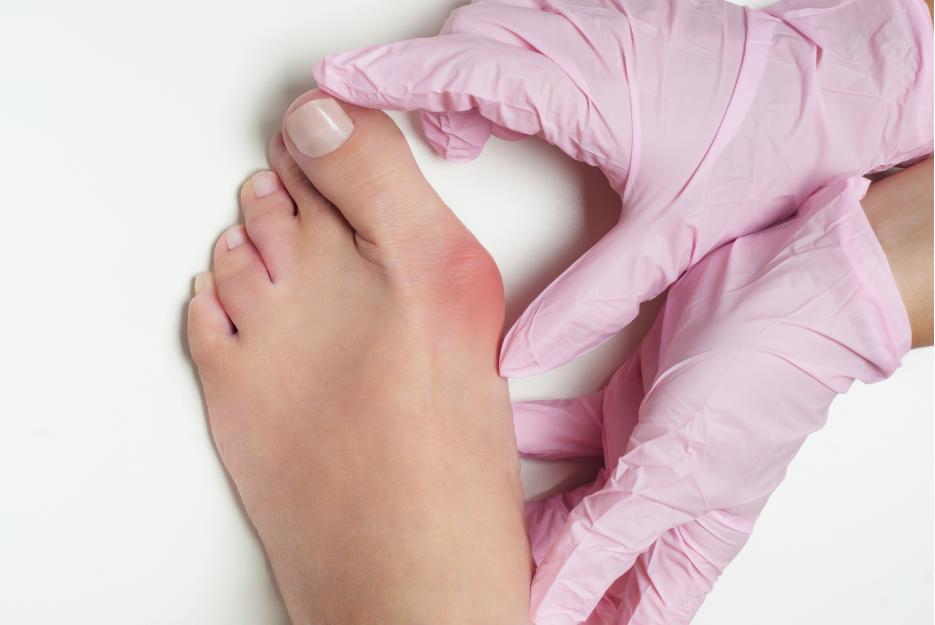
Table of Contents
How Do Bunions Develop?
What Causes Bunions?
- Flat (pronated) foot type: This causes the foot to roll inward, putting more pressure on the big toe joint with every step.
- Ill-fitting footwear: High heels and tight, narrow shoes add pressure to the big toe and can cause painful rubbing against the bunion.
- Foot biomechanics: Misalignment and instability in the big toe joint can contribute to bunion formation. This alignment is often the reason why bunions seem to “run in the family.” While bunions themselves aren’t inherited, certain foot characteristics that make you more prone to developing them can be passed down.
Visit Us Today
Keperra
Phone: 07 3355 4082
Located Within Keperra Medical Clinic, 14 Dallas Parade Keperra QLD 4054
Coomera
Phone: 07 5638 5315
Located Within Doctors @ Coomera Central, Shop 6, 21 Coomera Grand Drive, Upper Coomera, QLD 4209
Marsden
Phone: 07 3067 2370
Located Within Marsden Family Doctors, Shop 28/55-77 Chambers Flat Rd, Marsden QLD 4132
Jimboomba
Phone: 07 5546 9766
Located Within Jimboomba Medical Centre, Unit 1/69 Cerina Cct, Jimboomba QLD 4280
Toowoomba
Phone: 07 4633 8700
Located Within Ochre Medical Centre Wyalla, Shop 20, 238 Taylor Street, Newtown QLD 4350
How Priority Podiatry Clinic Can Help
Early detection and management of bunions are crucial for achieving the best long-term results. If your bunion is noticeable but still flexible, it may be possible to reduce its severity. Since each bunion is unique, treatment needs to be assessed on an individual basis. Once evaluated, we can discuss what to expect and whether non-surgical treatment is a viable option.
The first step is identifying the underlying causes of your bunion or, if it hasn’t developed yet, assessing your risk factors. This involves evaluating your walking pattern, the function of the bones, joints, ligaments, and muscles in your feet and legs, checking for any restrictions or limited joint movement, and conducting other tests.
Based on this assessment, your podiatrist will create a personalised bunion treatment plan aimed at achieving the best outcomes for your feet. If flat feet or other alignment issues are contributing to the bunion, we have had great success using custom orthotics to reduce pressure on the big toe joint.
We will also recommend appropriate footwear that reduces pain and pressure on the big toe joint and helps prevent further bunion development. Wide, supportive shoes with a low heel work well with orthotics to alleviate discomfort.
Surgical correction is an option, but it should only be considered after exploring other non-invasive podiatry care options due to the nature of the procedure.
Tailor's Bunion
Frequently Asked Questions
What is the best treatment for bunions?
Do you need treatment after bunion surgery?
How long does it take to recover from a bunion surgery?
Enquire Now
Not The Condition You Are Looking For?
Find out more about the conditions we treat by clicking below.