
What Is Diabetes?
Diabetes is a chronic condition that affects the body’s ability to regulate blood glucose levels, either due to insufficient insulin production (Type 1) or insulin resistance (Type 2). Elevated blood glucose can damage blood vessels and nerves, particularly in the lower limbs. Poor circulation from damaged blood vessels reduces blood flow, which can lead to peripheral arterial disease, increasing the risk of wounds, infections, and slow healing. Diabetes also causes diabetic neuropathy, where nerve damage in the lower limbs results in symptoms like tingling, numbness, and pain. In severe cases, this loss of sensation can lead to unnoticed injuries and ulcers. Proper management is crucial to prevent these complications.
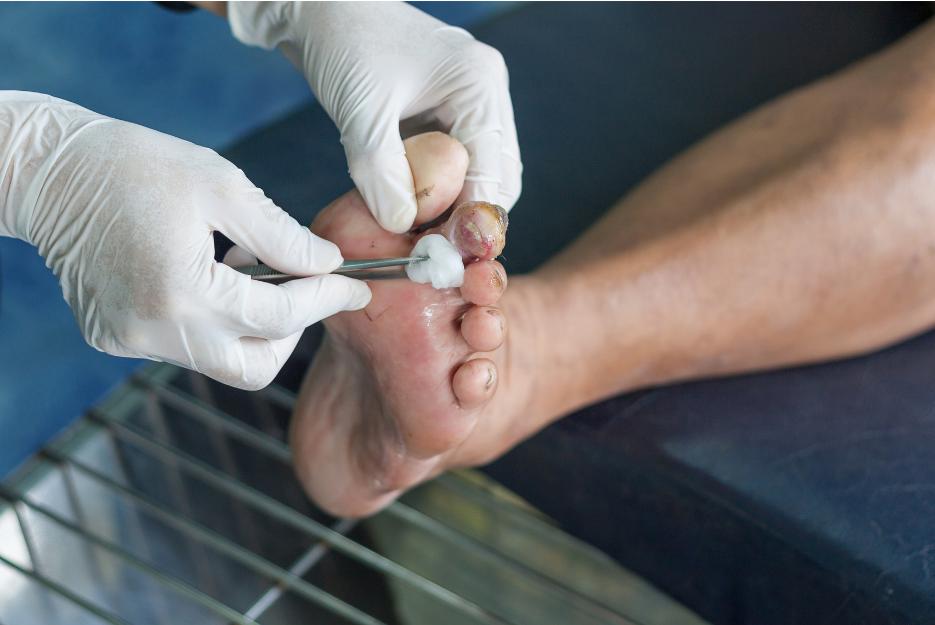
Diabetic Foot Problems Causes
In simple terms, diabetes speeds up the natural aging process of circulation in the lower limbs (peripheral vascular disease) and reduces protective sensation in the feet and legs (peripheral neuropathy), making it harder for the body to fight infections due to a weakened immune system. These effects vary in severity from person to person. Research shows that managing blood glucose levels through medical treatment and regular exercise can prevent or slow these complications.
At first, you might notice minor issues like dry skin on your toes or tingling at night. Over time, this can progress to complete numbness in the feet, increasing the risk of injuries and ulcers. Reduced circulation worsens these problems by limiting oxygen and nutrients to the feet and legs, which can lead to severe complications, including amputation.
Diabetes Australia recommends an annual foot review by a podiatrist to assess circulation and sensation. Podiatrists can perform diagnostic tests, provide treatment for skin and nail issues, and refer you to your GP or specialist for further care if needed.
Want this looked at? Our podiatrists can assess it and give you a clear plan.
Tips To Maintain Good Foot Health
Here are some simple tips to help maintain good foot health:
- Wash and thoroughly dry your feet daily, paying special attention to the areas between the toes.
- Visually examine your feet daily for any marks, cuts, swelling, or unusual redness. (Tip: If it’s difficult to see the soles of your feet, use a mirror to help.)
- Choose shoes that are well-fitted with enough depth and width for your toes.
- Wear cotton socks without elastic at the top, as they absorb sweat and reduce pressure on the skin. (Available through Diabetes Australia Queensland – www.daq.org.au)
- Schedule an annual Diabetes Foot assessment with a podiatrist.
Regular podiatric care is essential for preventing diabetic foot complications. Routine care has been shown to reduce the risk of limb amputation due to diabetes-related issues.
Diabetic Foot Problems affecting you?
You can book without a referral. If your GP has given you a care plan, bring it along and we’ll claim your Medicare rebate for you on the day.
Ask us about diabetic Foot Problems
Not ready to book? Send us a message and our team will get back to you.
This page is general information only and isn’t a substitute for an assessment. If your symptoms are severe or getting worse, see a podiatrist or your GP. Browse all conditions we treat.