
Stress Fractures & Treatment
What Is A Stress Fracture?
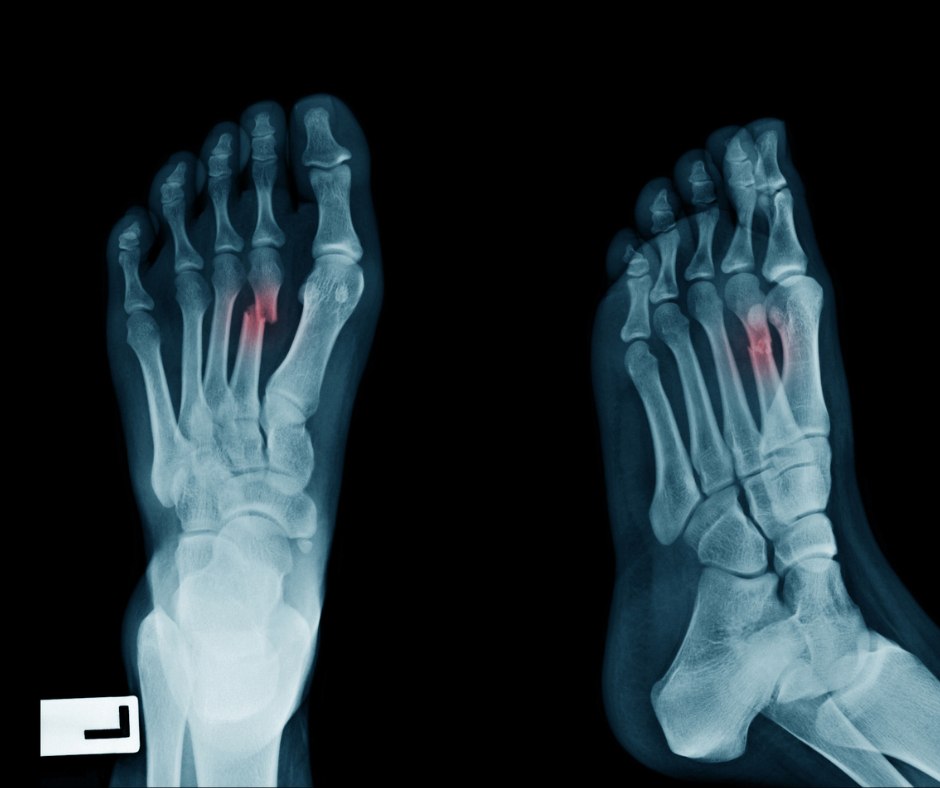
Table of Contents
Signs & Symptoms Of Stress Fractures
What Causes A Stress Fracture?
- Wearing poor or unsupportive footwear
- Training on hard or unforgiving surfaces
- Sudden increases in the intensity or duration of high-impact activities
- Improper gait patterns or training techniques
- Foot posture issues, such as bunions or joint deformities
- Reduced bone strength or density from conditions like osteoporosis
- Muscle weakness or imbalances that affect foot posture and function
- Nutritional deficiencies, particularly in vitamin D and calcium
Addressing these risk factors can help reduce the likelihood of developing a stress fracture.
Visit Us Today
Keperra
Phone: 07 3355 4082
Located Within Keperra Medical Clinic, 14 Dallas Parade Keperra QLD 4054
Coomera
Phone: 07 5638 5315
Located Within Doctors @ Coomera Central, Shop 6, 21 Coomera Grand Drive, Upper Coomera, QLD 4209
Marsden
Phone: 07 3067 2370
Located Within Marsden Family Doctors, Shop 28/55-77 Chambers Flat Rd, Marsden QLD 4132
Jimboomba
Phone: 07 5546 9766
Located Within Jimboomba Medical Centre, Unit 1/69 Cerina Cct, Jimboomba QLD 4280
Toowoomba
Phone: 07 4633 8700
Located Within Ochre Medical Centre Wyalla, Shop 20, 238 Taylor Street, Newtown QLD 4350
How Are Stress Fractures Treated?
Early treatment of stress fractures is crucial to prevent the fracture from worsening. Left unmanaged, stress fractures can grow larger, resulting in increased pain and a longer recovery time.
The first step is obtaining an accurate diagnosis. Keep in mind that stress fractures may not appear on an X-ray until weeks after they’ve formed, so relying solely on imaging may delay proper identification.
Effective treatment focuses on addressing the cause of the fracture—repeated stress and pressure on the bone—while promoting healing and preventing future issues. Treatment options may include:
- Supportive and cushioned footwear to minimize impact and reduce stress on the feet and legs.
- Modifying activities that cause pain or contribute to the fracture.
- Custom foot orthotics to correct biomechanical or postural issues contributing to the injury.
- Physical therapy to address muscle weakness, tightness, or imbalances.
- A moon boot or air walker for severe fractures requiring significant offloading to allow healing.
Our goal is to ensure a smooth recovery and prevent stress fractures from disrupting your life again.
Tips To Prevent Stress Fractures
To prevent stress fractures from recurring, consider these key steps:
- Wear supportive sports shoes with proper cushioning and replace them when they show signs of wear.
- Balance your activities by mixing low-impact exercises with high-impact ones, particularly when introducing changes to your exercise routine.
- Address lower limb biomechanics, such as foot posture and gait inefficiencies, to correct underlying issues.
- Manage conditions and nutritional deficiencies, including ensuring adequate intake of calcium and vitamin D to maintain strong bones.
Most importantly, don’t ignore early signs of pain or discomfort—contact your podiatrist and treat issues promptly before they worsen. Prevention and proactive care are essential for keeping your feet healthy and strong.
If you’re experiencing pain or need help preventing stress fractures, book an appointment with Priority Podiatry Clinic today. Our expert team is here to provide personalised care to get you back on your feet and help you stay active and pain-free.
Enquire Now
Not The Condition You Are Looking For?
Find out more about the conditions we treat by clicking below.