
Background
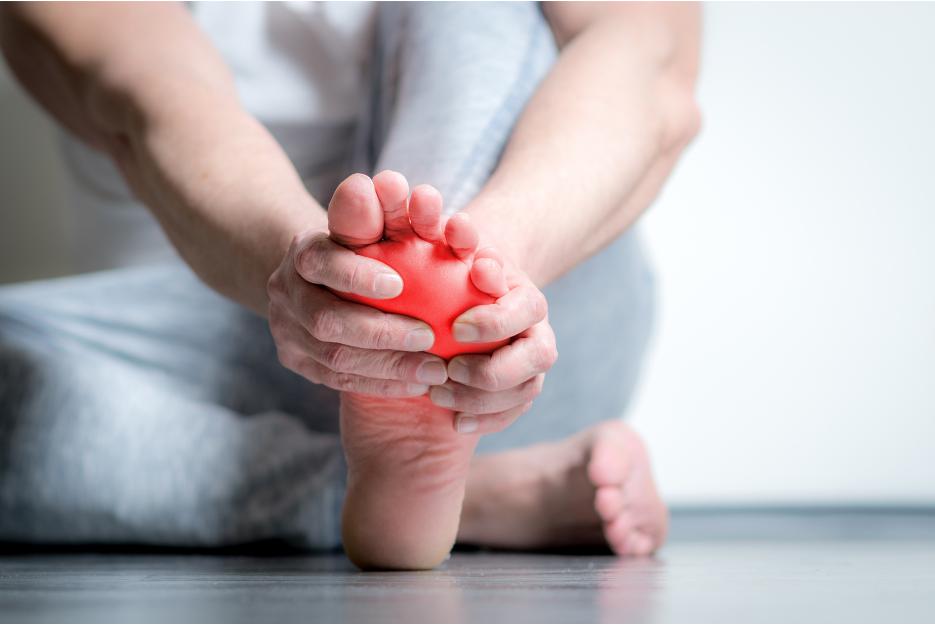
The forefoot, or ball of the foot, consists of 21 small bones, muscles, ligaments, tendons, nerves, blood vessels, and other tissues, making pain in this area complex to diagnose. At Priority Podiatry Clinic, we frequently encounter and treat forefoot pain. We recognise the importance of an accurate diagnosis to ensure the most effective treatment is provided promptly.
Want this looked at? Our podiatrists can assess it and give you a clear plan.
Forefoot Pain Causes
A number of conditions can cause forefoot pain, and a careful diagnosis is essential following a thorough history, gait analysis, and clinical testing. Some common causes include:
- Sesamoiditis – The sesamoids are two small bones beneath the big toe, embedded within the tendons. Excessive pressure or overuse can lead to inflammation, irritation, and pain in this area.
- Bursitis – Fluid-filled sacs called bursae protect tendons and bones by reducing friction. When these sacs become irritated, they can swell and cause pain, known as bursitis.
- Morton’s Neuroma – This is an enlargement of the nerve sheath between the metatarsal bones, usually between the third and fourth toes. It causes burning, tingling, numbness, or sharp pain when the toes are compressed.
- Capsulitis or Synovitis – Capsulitis is inflammation of the joint capsule, while synovitis is inflammation of the synovium, the lining of the joint capsule. Both conditions are often caused by repetitive overloading of the forefoot, such as in running or high-impact exercises.
- Plantar Plate Injury – The plantar plate is a ligament that connects the metatarsal heads at the bottom of the foot. Injury or tears to the plantar plate cause pain and swelling at the ball of the foot, sometimes with a noticeable ‘V’ shape between the toes.
- Arthritis Pain – Arthritis, such as osteoarthritis, rheumatoid arthritis, or gout, can affect the joints in the feet, causing pain, stiffness, swelling, and progressive degeneration of the bones.
- Corns or Calluses – Corns and calluses form due to pressure or friction, leading to the buildup of hard skin. This can result in pain and discomfort, especially when located in weight-bearing areas of the feet, often feeling like walking on small pebbles.
Each of these conditions requires tailored treatment, and a podiatrist can help determine the most appropriate approach based on your symptoms and foot health.
Forefoot Pain affecting you?
You can book without a referral. If your GP has given you a care plan, bring it along and we’ll claim your Medicare rebate for you on the day.
Ask us about forefoot Pain
Not ready to book? Send us a message and our team will get back to you.
This page is general information only and isn’t a substitute for an assessment. If your symptoms are severe or getting worse, see a podiatrist or your GP. Browse all conditions we treat.